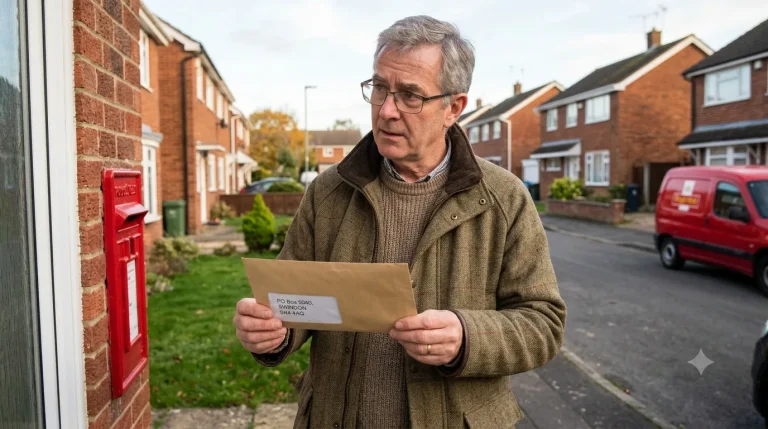

A DBS check is a background check carried out through the Disclosure and Barring Service. Depending on the level requested, it can reveal information about a person’s convictions, cautions, and other relevant criminal record information.
DBS checks come in different levels because employers are not entitled to see the same amount of information for every job.
The main levels are:
- Basic DBS Check: Shows unspent convictions and cautions
- Standard DBS Check: Shows relevant spent and unspent convictions and cautions that are not filtered
- Enhanced DBS Check: Includes Standard-level information plus relevant information held by local police
- Enhanced DBS With Barred Lists: Can additionally establish whether someone is included on an applicable Children’s or Adults’ Barred List
The level an employer can request depends on the job and the legislation governing that position.
Last Updated: 12.09.2026
What Does DBS Stand For?
DBS stands for Disclosure and Barring Service.
The organisation was created after the Criminal Records Bureau and Independent Safeguarding Authority were merged. This is why people may still occasionally refer to a DBS check as a CRB check, particularly when discussing older certificates.
DBS checks help employers make safer recruitment decisions while supporting safeguarding requirements for eligible roles.
What Does a DBS Check Show?

What appears on a DBS certificate depends primarily on the level of check.
A Basic check contains less information than a Standard or Enhanced check. Higher-level checks may disclose certain spent criminal records, although filtering rules prevent some older or less serious information from being automatically disclosed.
An Enhanced check may also include relevant information held by local police if it is considered appropriate to disclose for the particular role.
Spent And Unspent Convictions
A conviction becomes spent after a specified rehabilitation period in many circumstances. Once spent, people normally do not have to disclose it for most jobs.
However, some roles are exempt from the usual Rehabilitation of Offenders Act rules. Eligible Standard and Enhanced DBS checks can therefore reveal certain spent convictions.
An unspent conviction remains within its rehabilitation period and can appear on a Basic DBS check.
Cautions And Other Criminal Record Information
Basic checks can show unspent cautions, while Standard and Enhanced checks can contain relevant cautions that have not been protected through DBS filtering rules.
Enhanced certificates can go further by including relevant non-conviction information held by local police.
This does not mean every piece of police information appears automatically. Information must satisfy the disclosure rules and be relevant to the position for which the check is being carried out.
DBS Filtering And Protected Offences
DBS filtering rules prevent certain older or less serious criminal records from appearing indefinitely on Standard and Enhanced certificates.
Some convictions and cautions can become protected, meaning they are no longer disclosed.
However, filtering does not apply to every offence. Serious specified offences and certain other records can continue to be disclosed where the law allows.
Employers should therefore avoid assuming that a DBS certificate represents every interaction a person has ever had with the criminal justice system.
What Are the Different Types of DBS Checks?
Choosing the correct level is important because employers cannot simply request an Enhanced DBS check for every employee.
Basic DBS Check
A Basic DBS check is available for any position or purpose.
It shows:
- Unspent Convictions
- Unspent Cautions
Individuals can apply for their own Basic DBS certificate. Employers may also arrange Basic checks as part of recruitment where appropriate.
Basic checks are commonly used for positions that do not qualify for Standard or Enhanced checks but where an employer still considers criminal record screening relevant.
Standard DBS Check
A Standard DBS check contains more information than a Basic check.
It can show:
- Spent Convictions That Are Not Protected
- Unspent Convictions
- Relevant Cautions That Are Not Protected
Standard checks are only available for jobs and activities that meet specific legal eligibility rules.
They can be used for certain positions within regulated professions, financial services and other occupations where legislation permits a higher level of criminal record disclosure.
Enhanced DBS Check
An Enhanced DBS check contains the information available through a Standard check and can also include relevant information held by local police.
It may therefore contain:
- Spent And Unspent Convictions
- Relevant Cautions
- Additional Relevant Police Information
Enhanced checks are commonly associated with eligible roles in education, healthcare, social care and safeguarding.
However, working in one of these industries does not automatically mean every employee qualifies for an Enhanced check. Eligibility depends on the person’s actual duties.
Enhanced DBS Check With Barred Lists
For qualifying positions, an Enhanced check can also include a search of the relevant barred list.
Depending on the role, this may involve:
- Children’s Barred List
- Adults’ Barred List
- Both Lists Where Eligibility Exists
These checks are particularly important for certain regulated activities involving children or vulnerable adults.
Basic vs Standard vs Enhanced DBS Checks
| DBS Check | Main Information Included | Who Can Request It? |
| Basic | Unspent convictions and cautions | Individuals or employers |
| Standard | Relevant spent and unspent convictions and cautions | Eligible employers and organisations |
| Enhanced | Standard information plus relevant local police information | Eligible employers and organisations |
| Enhanced With Barred Lists | Enhanced information plus applicable barred-list checks | Eligible organisations for qualifying roles |
The highest level is not automatically the best option. Employers must request the appropriate legal level for the role.
Who Needs a DBS Check?

Not everyone working in the UK legally needs a DBS check.
Eligibility is determined by the type of work, responsibilities involved and applicable legislation rather than simply the employer’s industry.
DBS checks are particularly common for roles involving:
- Children
- Vulnerable Adults
- Healthcare
- Education
- Social Care
- Certain Regulated Professions
- Specific Positions Of Trust
For example, a teacher working directly with children may require a different level of check from an administrative worker employed by the same organisation.
Roles Working With Children
People carrying out qualifying regulated activities involving children may need an Enhanced DBS check with a Children’s Barred List check.
Examples can include certain:
- Teachers
- Childminders
- Healthcare Workers
- Care Workers
- Coaches
- Childcare Professionals
Eligibility depends on duties and circumstances rather than job title alone.
Roles Working With Vulnerable Adults
Certain jobs involving regulated activities with adults can qualify for Enhanced checks and an Adults’ Barred List check.
This may apply to some people providing healthcare, personal care or other regulated services.
High-Trust And Regulated Roles
Standard or Enhanced DBS checks can also be permitted for some roles outside direct safeguarding work.
These may include certain positions within:
- Law
- Financial Services
- Healthcare
- Regulated Professions
Employers should confirm eligibility before requesting a higher-level check.
Can Employers Request Any Level of DBS Check?
No. An employer cannot automatically request an Enhanced DBS check simply because it would like additional information about an applicant.
Standard and Enhanced checks are restricted to legally eligible positions.
Requesting information that an employer is not entitled to obtain can create legal and data-protection problems.
For positions that do not qualify for Standard or Enhanced disclosure, employers can generally consider a Basic DBS check instead.
What Are the Children’s And Adults’ Barred Lists?
The DBS maintains barred lists containing people who are legally prevented from carrying out certain regulated activities involving children or adults.
The two lists are:
- Children’s Barred List
- Adults’ Barred List
An Enhanced DBS certificate does not automatically include a barred-list search.
The position must meet the eligibility requirements for the relevant list.
Employers recruiting for regulated activities must therefore determine whether an Enhanced check alone or an Enhanced check with one or both barred lists is required.
How Does the DBS Check Process Work?
The exact application process depends on the type of check.
Typically, the process involves:
- Selecting the Correct DBS Level: The employer establishes which check the role is legally eligible for.
- Completing the Application: The applicant provides personal information required for the check.
- Verifying Identity: Appropriate identity documents are checked.
- Submitting the Application: The application is sent to DBS through the appropriate route.
- Criminal Record Searches: Relevant records are checked according to the disclosure level.
- Certificate Issued: The applicant receives the DBS certificate.
- Employer Review: The employer considers the certificate as part of its recruitment or safeguarding assessment.
A criminal record appearing on the certificate does not automatically mean someone is unsuitable for employment.
Employers should consider factors such as relevance, seriousness, circumstances, rehabilitation and the responsibilities of the role.
What Documents Do You Need for a DBS Check?
Applicants normally need documents that verify their identity and current address.
Documents may include:
- Passport
- Driving Licence
- Birth Certificate
- Bank Statement
- Utility Bill
- Other Accepted Proof Of Address
The exact combination depends on the DBS identity-checking route being followed.
Applicants should ensure their name, address history and other personal information are accurate before the application is submitted, as discrepancies may cause delays.
How Long Does a DBS Check Take?
There is no guaranteed processing time for every application.
Basic and Standard checks can sometimes be completed relatively quickly when the applicant’s information can be verified without additional enquiries.
Enhanced checks may take longer because information can need to be checked with local police forces.
Processing may be affected by:
- Incorrect Application Details
- Address History
- Identity Verification Problems
- Local Police Checks
- Periods Of High Application Demand
Employers should therefore avoid leaving DBS applications until immediately before an employee’s planned start date.
How Much Does a DBS Check Cost in 2026?
DBS fees changed during 2026, with another reduction scheduled for 5 October 2026.
| DBS Service | Fee Before 5 October 2026 | Fee From 5 October 2026 |
| Basic Check | £21.50 | £20 |
| Standard Check | £21.50 | £20 |
| Enhanced Check | £49.50 | £41 |
| Enhanced With Barred Lists | £49.50 | £41 |
| Update Service | £16 Per Year | £15 Per Year |
Eligible volunteer applications may qualify for DBS fee exemptions.
Employers may choose to pay for checks themselves, although workplace policies vary.
Can Self-Employed People Get a DBS Check?
Yes, but the level available depends on the work being performed.
Self-employed people have always been able to obtain Basic checks.
A significant change introduced on 21 January 2026 also allows eligible self-employed workers and personal employees to apply for Enhanced DBS checks through an appropriate registered organisation where their work qualifies.
This can be relevant to people such as certain:
- Private Tutors
- Self-Employed Carers
- Healthcare Contractors
- Personal Employees
- Other Eligible Independent Workers
Self-employed status alone does not create eligibility for an Enhanced check. The activities being performed must qualify under DBS legislation.
What Is the DBS Update Service?
The DBS Update Service allows eligible Standard and Enhanced certificates to be kept up to date.
With the certificate holder’s permission, an employer may carry out an online status check to see whether relevant information has changed since the original certificate was issued.
The service can reduce the need to obtain completely new certificates when changing employers, provided the existing check remains suitable for the new position.
Factors that matter include:
- DBS Level
- Workforce
- Role Eligibility
- Whether Barred-List Information Is Required
The Update Service is therefore useful, but it does not make one DBS certificate automatically valid for every future job.
How Long Does a DBS Check Last?
A DBS certificate does not have an official expiry date.
It records the information available when the certificate was issued.
Employers may nevertheless establish their own policies requiring updated checks after a particular period, especially in safeguarding environments.
People subscribed to the Update Service may also allow eligible employers to check whether relevant information has changed.
There is no universal rule stating that every DBS certificate expires after three years.
Can You Use the Same DBS Check for Another Job?
Sometimes.
Whether an existing DBS certificate can be accepted depends on whether it matches the requirements of the new position.
Employers should consider:
- Level Of Check
- Type Of Workforce
- Barred-List Requirements
- Information Shown On The Certificate
- Whether The Applicant Uses The Update Service
Some organisations may still require a fresh check under their internal safeguarding policies.
Do DBS Checks Show Mental Health Information?
A DBS check is not a medical record check and does not provide an employer with someone’s medical or mental health history.
Basic and Standard DBS certificates focus on criminal record information.
An Enhanced certificate can sometimes contain relevant non-conviction information held by local police where disclosure is considered appropriate for the role.
This is different from DBS routinely providing an applicant’s medical information.
Do DBS Checks Include Overseas Criminal Records?
A DBS certificate should not be treated as a complete worldwide criminal record check.
Criminal offences committed abroad are not necessarily recorded within the information available to DBS.
Employers recruiting people who have lived or worked overseas may therefore need additional criminal record evidence from the relevant country where appropriate.
This can be particularly important in safeguarding and regulated occupations.
What Happens If Information on a DBS Certificate Is Wrong?
Applicants should check their DBS certificate carefully when it arrives.
If information is inaccurate or the applicant believes information should not have been disclosed, there are procedures for challenging the certificate.
It is normally important to raise disputes promptly.
Employers should also avoid making irreversible recruitment decisions before legitimate concerns about disputed information have been properly considered.
DBS Checks in England, Wales, Scotland And Northern Ireland
The term DBS check mainly applies to England and Wales.
Other parts of the UK operate separate criminal record disclosure systems:
| Area | Criminal Record Checking Organisation |
| England And Wales | Disclosure and Barring Service |
| Scotland | Disclosure Scotland |
| Northern Ireland | AccessNI |
Businesses operating across different UK nations should make sure they use the appropriate disclosure system for the worker and role involved.
Why Are DBS Checks Important for Employers And Businesses?
DBS checks can form an important part of responsible recruitment, particularly when employees have access to vulnerable people or carry significant responsibilities.
For businesses, appropriate criminal record checking can help with:
- Safeguarding: Supporting safer environments for children and vulnerable adults
- Legal Compliance: Meeting applicable recruitment and safeguarding requirements
- Risk Management: Identifying information relevant to a particular position
- Customer Confidence: Demonstrating appropriate recruitment controls
- Workplace Protection: Supporting responsible hiring decisions
However, a DBS check should not be viewed as a complete assessment of someone’s character.
Employers should combine criminal record checks with appropriate references, identity checks, employment history verification and other recruitment procedures relevant to the position.
Conclusion
A DBS check helps employers and organisations make informed recruitment and safeguarding decisions by providing different levels of criminal record information.
Basic, Standard, Enhanced and Enhanced With Barred List checks serve different purposes, and employers must use the level that the role is legally eligible for rather than automatically requesting the most detailed check.
Important developments in 2026 include expanded access to Enhanced checks for eligible self-employed workers and reduced DBS fees from October 2026.
Employers should also understand DBS filtering, barred-list eligibility, the Update Service and the fact that certificates have no fixed legal expiry date. Using DBS checks correctly helps businesses balance safeguarding responsibilities with fair, lawful recruitment.
FAQs
Does a DBS Check Show All Convictions?
No. What appears depends on the level of check and DBS filtering rules. Basic checks show unspent convictions and cautions, while Standard and Enhanced checks can disclose additional records that have not been protected or filtered.
Can a DBS Check Show Spent Convictions?
Yes. Eligible Standard and Enhanced DBS checks can show certain spent convictions. However, some older or less serious records may be protected under filtering rules and therefore not disclosed.
Can an Employer Request an Enhanced DBS Check?
Only if the position is legally eligible for one. Employers cannot request an Enhanced check simply because they want to see more information about an applicant.
Can You Fail a DBS Check?
There is no universal DBS “pass” or “fail”. The certificate provides information that an employer assesses in relation to the job. Having a criminal record does not automatically prevent someone from being employed.
How Long Does a DBS Check Take to Come Back?
Processing time varies. Basic and Standard checks may be completed relatively quickly, while Enhanced checks can take longer because additional police information may need to be considered.
Does a DBS Check Expire?
No. DBS certificates do not have an official expiry date. Employers can nevertheless require updated checks under their own recruitment or safeguarding policies.
Who Pays for a DBS Check?
It depends on the employer. Some organisations pay the fee, while others require applicants to cover it. Eligible volunteer checks may qualify for fee exemptions.