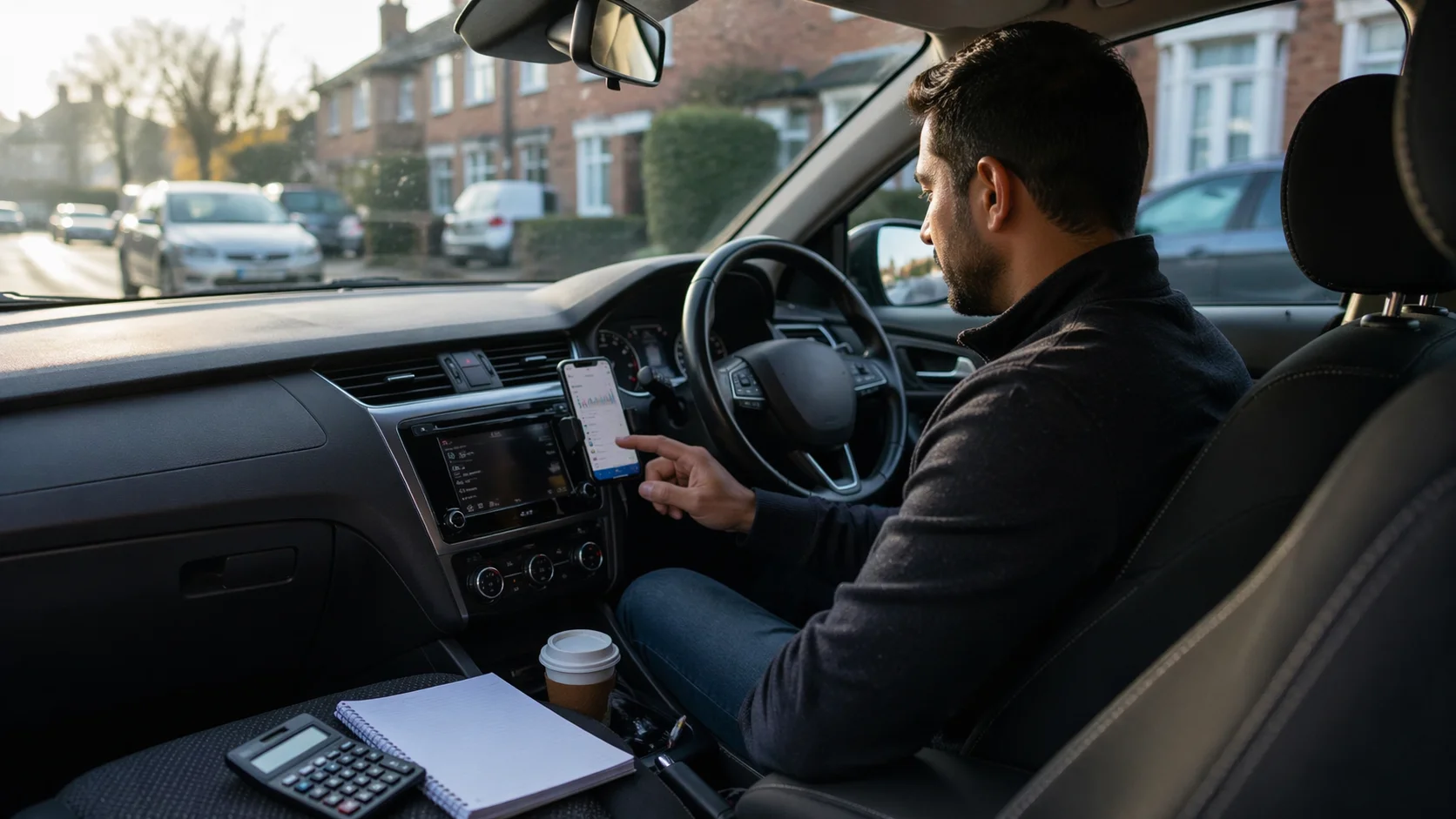

If you are wondering how much do Uber drivers make in the UK in 2026, the short answer is that most drivers earn between £15 and £25 per hour before expenses.
In major cities such as London, Manchester and Birmingham, gross earnings often average £18–£20 per hour, while full-time drivers can bring in £29,000–£40,000 per year before costs.
However, those headline figures do not reflect what you actually keep. Fuel, insurance, vehicle finance, licensing and tax can reduce take-home earnings to around £11–£17 per hour.
Key highlights:
- Gross hourly earnings usually range from £15–£25
- Full-time drivers often make £500–£800 per week before expenses
- London offers the highest earning potential, but also the highest costs
- Net earnings are often 30–50% lower once expenses are deducted
How Much Do Uber Drivers Make in the UK in 2026?
Uber driver earnings vary widely because there is no fixed salary. You choose your own hours, the area you work in and the times you drive. A driver working weekends in central London will usually earn far more than someone driving weekday mornings in a smaller town.
Most drivers in the UK make between £15 and £25 per hour before expenses. That usually translates into around £500–£800 per week for a full-time driver working 40 hours or more.
Indeed salary data places the average annual earnings for Uber drivers at roughly £27,918, although busy-city drivers can exceed £35,000 per year.
Uber’s UK General Manager has previously explained:
“Driver earnings depend on when, where and how often you drive. Busy periods and efficient driving strategies can make a significant difference.”
Estimated earnings by work pattern:
| Work Pattern | Hours Per Week | Weekly Gross | Monthly Gross | Annual Gross |
| Part-time | 20 | £300–£500 | £1,200–£2,000 | £14,400–£24,000 |
| Full-time | 40 | £500–£800 | £2,000–£3,200 | £26,000–£38,400 |
| Busy city and peak hours | 45+ | £700–£1,000+ | £2,800–£4,000+ | £36,400–£48,000+ |
These figures represent gross income only. What you actually take home is lower once running costs are deducted.
How Does Uber Driver Pay Actually Work in the UK?
Uber calculates pay using a mixture of base fare, time and distance. Each trip includes a starting fare, then extra pay based on how far you drive and how long the journey takes. Drivers also keep 100% of their tips.
Uber takes a service fee from each journey, usually around 20–25%, although the exact amount can vary under Uber’s dynamic pricing system. During periods of high demand, fares may rise through surge pricing, allowing drivers to earn more.
Typical Uber Fare Breakdown:
| Fare Component | How It Affects Earnings |
| Base fare | Fixed amount paid for every trip |
| Distance rate | Additional pay for each mile travelled |
| Time rate | Extra payment for time spent on the trip |
| Surge pricing | Higher fare during busy periods |
| Tips | Drivers keep 100% |
| Uber service fee | Usually reduces earnings by 20–25% |
A spokesperson from Uber UK has said:
“Drivers receive all customer tips and continue to benefit from surge pricing and incentives when demand is highest.”
For example, if a passenger pays £20 for a trip, Uber may take £4–£5 in commission, leaving the driver with roughly £15–£16 before fuel and other costs.
What Do Uber Drivers Actually Take Home After Expenses?
The biggest mistake many new drivers make is focusing only on gross earnings. A driver who appears to earn £20 per hour may only keep £12–£14 after paying all their expenses.
Main Expenses Uber Drivers Pay
The highest ongoing costs include:
- Fuel or electric charging
- Private hire insurance
- Vehicle finance, rental or lease payments
- Servicing, tyres and maintenance
- MOTs and cleaning
- Licensing fees and DBS checks
- Tax and National Insurance
- Congestion Charge and ULEZ costs in London
Estimated Monthly Driver Expenses:
| Expense | Typical Monthly Cost |
| Fuel or charging | £250–£500 |
| Private hire insurance | £150–£300 |
| Vehicle finance or rental | £250–£450 |
| Maintenance and cleaning | £50–£120 |
| Licensing and admin | £30–£80 |
| Congestion or ULEZ charges | £0–£200+ |
What Is a Realistic Net Income?
Once those costs are removed, many drivers are left with net earnings of around £11–£17 per hour. A full-time driver making £700 a week gross may only keep around £450–£550 after expenses.
I recently spoke with a driver in Manchester who had been driving for Uber for two years. He told me:
“I thought I’d be making nearly £800 a week, but after fuel, insurance and the car rental, I usually take home around £500. It’s still worth it, but the headline numbers can be misleading.”
Why Do London Drivers Often Keep Less Than Expected?
London drivers can make more money because demand is stronger, particularly around airports, train stations and nightlife areas. However, the extra costs can quickly reduce those earnings.
Drivers operating in central London may pay:
- £15 daily Congestion Charge
- £12.50 ULEZ fee for non-compliant vehicles
- Higher insurance costs
- More expensive PCO licensing and vehicle rental
As a result, London often offers the highest gross income but not always the highest profit.
How Much Do Uber Drivers Make in London Compared with the Rest of the UK?
London remains the highest-paying area for Uber drivers in 2026. Drivers there often earn between £18 and £25 per hour before expenses, especially during evenings, weekends and airport runs.
Outside London, earnings are slightly lower but operating costs are usually cheaper. Drivers in Manchester, Birmingham, Bristol and Leeds often report gross earnings between £15 and £22 per hour.
Regional comparison of average gross hourly earnings:
| City | Typical Gross Hourly Earnings |
| London | £18–£25 |
| Manchester | £16–£22 |
| Birmingham | £15–£21 |
| Bristol | £15–£20 |
| Leeds | £15–£20 |
One London driver explained how switching to an electric vehicle improved his profits:
“I used to lose around £70 a week on fuel and Congestion Charges. Since moving to an electric car, I save nearly £300 a month and my net earnings are much better.”
Ultimately, while London offers higher earnings, lower costs elsewhere can deliver comparable profits.
Is Driving for Uber Full-Time or Part-Time More Profitable?
For many people, part-time Uber driving can actually be more profitable. Drivers who only work during the busiest times, such as Friday evenings or Saturday nights, often earn a higher hourly rate and avoid wasting time during quieter periods.
By contrast, full-time drivers may earn more overall, but they also face greater costs from fuel, maintenance and vehicle wear.
One Birmingham driver explained his experience:
“I only drive on Friday and Saturday nights. I earn more per hour than I did working 40 hours a week because I avoid the quiet periods completely.”
For someone looking for a flexible side income, part-time driving often makes more sense. Full-time driving may suit those who want a consistent income and are prepared to manage the extra costs.
What Factors Affect How Much Uber Drivers Earn?
Several factors influence earnings. Location is one of the biggest. Airport trips, city centres and train stations tend to be the most profitable areas.
The time of day also matters. Morning rush hour, Friday nights and weekends usually generate more demand and higher fares. Surge pricing can temporarily increase earnings significantly, although it is unpredictable.
Your vehicle choice can also make a major difference. Hybrid and electric cars reduce fuel costs and may avoid congestion charges. Many experienced drivers now prefer electric vehicles because they cost less to run.
- Busy times: Rush hour, evenings, weekends and special events
- Busy places: Airports, city centres and train stations
- Vehicle type: Hybrid and electric cars often improve profit
- Customer ratings: Higher-rated drivers may receive more tips
Do Uber Drivers in the UK Get Holiday Pay and Minimum Wage Protection?
Since the Supreme Court ruling in 2021, Uber drivers in the UK are classed as workers rather than purely self-employed contractors. This means you receive some important protections.
Drivers are entitled to holiday pay worth 12.07% of their earnings and must receive at least the National Living Wage for the time spent accepting and completing trips.
However, you still need to file your own tax return and pay your own National Insurance contributions. In practice, this means you have some of the benefits of employment but still carry most of the financial responsibility.
How Do You Become an Uber Driver in the UK in 2026?
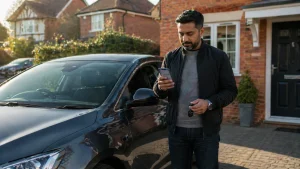
Becoming an Uber driver in the UK is straightforward, although the process can take several weeks because of licensing and background checks.
To drive for Uber, you must meet the minimum requirements and obtain a private hire licence before you can start accepting passengers.
What Are the Requirements to Become an Uber Driver?
You will usually need:
- To be at least 21 years old
- A full UK driving licence
- The legal right to work in the UK
- A private hire driver licence from your local council or Transport for London
- A vehicle that meets Uber’s standards
If you want to drive in London, you must apply for a Private Hire Vehicle licence through Transport for London. Elsewhere, you apply through your local council.
What Documents Do You Need?
Uber normally asks for the following documents:
- UK driving licence
- Passport or photo ID
- Proof of address
- Private hire licence
- DBS background check
- Private hire insurance
- Vehicle registration document
- MOT certificate if required
Required documents for Uber driver applications:
| Document | Purpose |
| UK driving licence | Confirms you can legally drive |
| Photo ID | Verifies your identity |
| Proof of address | Confirms where you live |
| Private hire licence | Allows you to carry passengers |
| DBS certificate | Shows you passed a background check |
| Insurance certificate | Confirms you have valid cover |
| MOT and V5C | Proves your vehicle is roadworthy |
What Type of Car Can You Use for Uber?
Your vehicle must be a four-door car in good condition. In most UK cities, Uber prefers cars that are under 10–15 years old.
Popular choices include the Toyota Prius, Hyundai Ioniq and Tesla Model 3 because they are economical to run. Electric and hybrid vehicles are especially popular because they reduce fuel and city-charge costs.
Vehicle comparison for Uber driving:
| Vehicle Type | Running Costs | Best For |
| Petrol | Higher | Drivers outside major cities |
| Hybrid | Medium | Most Uber drivers |
| Electric | Lower | London and high-mileage drivers |
How Long Does It Take to Become an Uber Driver?
Most people complete the process within two to eight weeks. The biggest delays are usually the private hire licence and DBS check.
A Transport for London licensing official said:
“The biggest delay for new applicants is usually obtaining the private hire licence. Once that is approved, signing up with Uber is often quite quick.”
After your licence is approved, you simply upload your documents to the Uber driver portal, complete the onboarding process and activate your account. Once approved, you can begin accepting trips immediately.
Is Driving for Uber Worth It in the UK in 2026?
Driving for Uber in the UK in 2026 can be worthwhile, depending on your expectations and approach. It offers strong flexibility, allowing drivers to choose their own hours and fit work around other commitments. Many people use it as a side income rather than a full-time job.
However, earnings are not always consistent. Some weeks can be highly profitable, while others may be quieter due to demand changes. Drivers who treat Uber like a business and actively manage their costs tend to perform better.
It is generally worth it if you work during peak hours, use a fuel-efficient or electric vehicle, understand your real expenses, and are comfortable with variable income rather than a fixed salary.
Final Thoughts
So, how much do Uber drivers make in the UK in 2026? The realistic answer is between £15 and £25 per hour before expenses, with many full-time drivers earning £29,000–£40,000 per year gross.
After fuel, insurance, tax and vehicle costs, net earnings are usually lower, often around £11–£17 per hour. London drivers can earn the most, but they also face the highest costs.
The most successful drivers are not necessarily the ones working the longest hours. They are usually the ones who choose the best times, minimise their expenses and drive the right vehicle.
FAQs About Uber Driver Salary
How much do Uber drivers make per hour after expenses in the UK?
Most drivers take home around £11–£17 per hour after expenses such as fuel, insurance and tax.
Do Uber drivers make more money in London?
Yes. London drivers often earn more per hour, but higher costs reduce the difference in take-home pay.
How much does Uber take from each fare?
Uber usually takes around 20–25% of the fare, although the amount can vary.
Can you make a full-time living driving for Uber?
Yes, many drivers earn a full-time income, although you need to manage expenses carefully.
Are Uber drivers self-employed in the UK?
Uber drivers are classed as workers with some employment rights, but they still need to file their own taxes.
Do Uber drivers pay for their own fuel and insurance?
Yes. Drivers are responsible for all running costs, including fuel, charging and private hire insurance.
How long does it take to become an Uber driver in the UK?
Most people can complete the process in four to eight weeks, depending on local licensing times.